







Go Deep, Not Wide: Rethinking How We Buy Toys for Our Children


There is a quiet kind of wisdom in the phrase “go deep, not wide,” especially when it comes to the way we choose toys for our children. It asks us to slow down, to step back from the noise of abundance, and to consider not how much we can give, but how meaningful that giving can be.
We live in a world that often equates love with quantity. Birthdays and holidays can become a cascade of brightly wrapped packages, each one offering a brief spark of excitement before being set aside for the next. It is easy, almost instinctive, to believe that more toys might mean more joy. But if you watch a child closely, really watch, you begin to notice something different. The deepest kind of play rarely comes from having many things. It comes from being fully absorbed in just one.
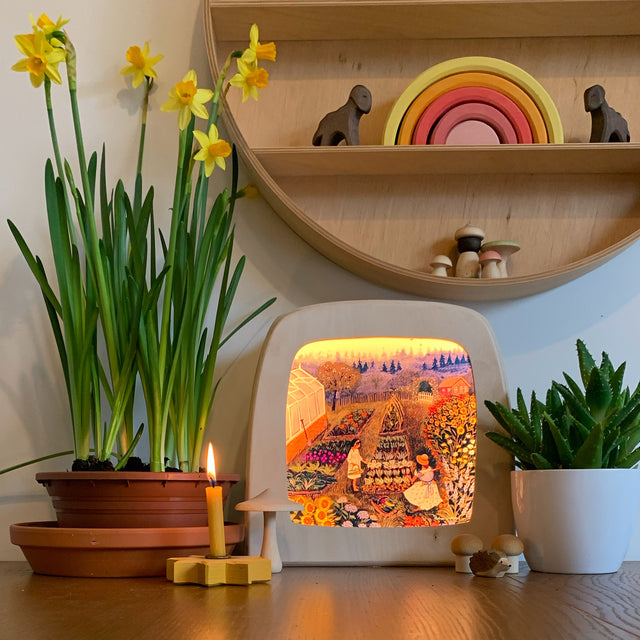
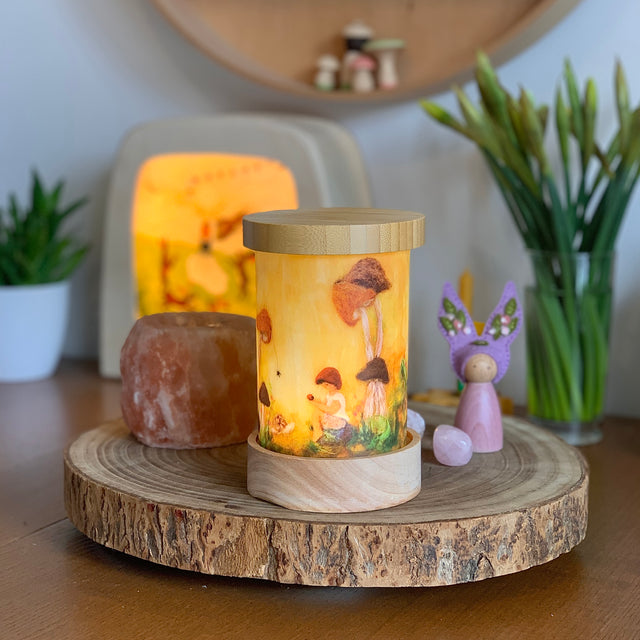
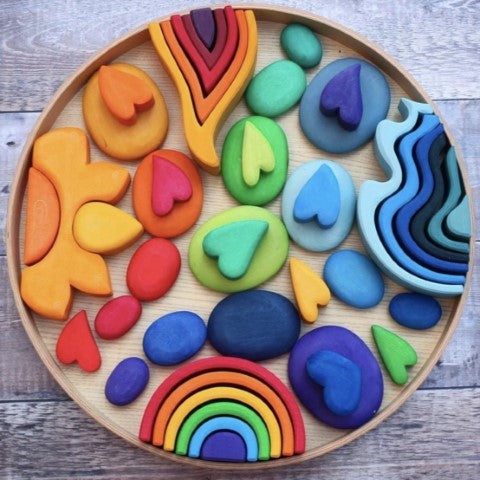
To go deep is to choose toys that invite a child inward rather than pulling their attention outward in a hundred directions. It is about selecting things that do not rush to entertain, but instead leave space for the child to bring their own ideas, their own stories, their own questions. A simple set of blocks can become a tower, a house, a zoo, or a city over the course of a single afternoon. A handful of figures can act out friendships, conflicts, and entire imagined worlds. These kinds of toys do not exhaust themselves quickly because they are not doing all the work. They are partners in play, not performers.

There is also something profoundly calming about fewer, more meaningful choices. When a child is surrounded by too many options, their attention can scatter. They drift from one thing to another, never quite settling, never quite satisfied. But when the environment is simpler, when there is space between things, you often see a different rhythm emerge. The child lingers. They return to the same toy again and again, each time discovering something new. Depth begins to unfold naturally, almost quietly, without being forced.
This way of choosing toys is not about deprivation. It is not about withholding or creating a sense of lack. In fact, it is quite the opposite. It is about trusting that a child does not need endless novelty to feel fulfilled. It is about recognising that imagination thrives not on excess, but on possibility. A well-chosen toy can hold more potential than an entire room filled with distractions.
There is also a gentle invitation here for us as adults. To go deep, not wide, asks us to shift our own perspective. Instead of asking, “What else can I get?” we begin to ask, “What will truly serve my child?” We start to notice the toys that are returned to, the ones that seem to grow alongside them. We become more thoughtful, more intentional, and perhaps a little more patient in our choices.

Over time, something beautiful happens. Play becomes richer. Stories become longer. Attention becomes steadier. And the home itself can feel a little more peaceful, a little less crowded, not just in a physical sense, but in an emotional one too.
In the end, going deep is really about honouring the way children naturally engage with the world. They are not looking for constant stimulation; they are looking for connection, exploration, and meaning. When we give them toys that support that, we are not just giving them something to play with. We are giving them the space to think, to imagine, and to grow.
And that kind of gift tends to last far longer than anything that comes in a box.
With warmth and wonder,
Mama Oak🍃
About the Author
Melody is the founder of Little Acorns to Mighty Oaks, a UK store specialising in Waldorf-inspired sustainable toys that encourage imaginative and open-ended play. With 13 years’ experience in early childhood education and as a mother who home educates her three children, Melody shares practical tips and insights about Waldorf toys, open-ended play, sustainable toys, child-led learning, and sustainable living. Read more about the founder here.


1 comment
Hello, do You ship to the United States?
Leave a comment